


Last Updated: October 2026
Living in Australia, we’re incredibly lucky to have the Great Barrier Reef right on our doorstep. Yet, like many people, we often spend more time exploring overseas destinations than our own beautiful country. When we first visited Heron Island, it had been fourteen years since I’d last experienced the Great Barrier Reef. We were definitely overdue for a return!
Since that first trip, we’ve been lucky enough to visit Heron Island again, this time combining three nights on Heron with three nights on neighbouring Wilson Island to celebrate Simon’s 50th birthday.
And after two visits, one thing is certain: Heron Island offers some of the most incredible snorkelling we’ve experienced on the Great Barrier Reef. Imagine swimming alongside turtles every day, spotting lemon sharks and rays in the shallows, and exploring colourful coral gardens teeming with tropical fish. It’s an underwater paradise!

Located around 80 kilometres off the coast of Gladstone, in the Southern Great Barrier Reef, Heron Island is a small coral cay surrounded by spectacular reef and protected marine life. It’s a haven for nature lovers, with incredible snorkelling and diving, abundant birdlife and the chance to witness nesting and hatching sea turtles at certain times of the year.
While the resort itself could certainly do with some improvements, the natural beauty and marine life are what make Heron Island so special.
In this Heron Island travel guide, we’ll share our experiences from both visits, including the best things to do, where to snorkel, what to expect from the accommodation and everything you need to know to plan your own island escape.
- Is Heron Island Worth Visiting?
- Best Things to Do on Heron Island
- How to get to Heron Island?
- Where to Stay on Heron Island
- Best Time to Visit Heron Island
- How Many Days Do You Need on Heron Island?
- Practical Tips for Visiting Heron Island
- Heron Island vs Wilson Island: Which Is Better?
- FAQs About Heron Island

Is Heron Island Worth Visiting?
Absolutely! If you love snorkelling, diving and marine life, Heron Island is one of the best places to visit on the Great Barrier Reef.
What makes Heron Island so special is the incredible snorkelling straight from the beach. During our visits, we swam alongside turtles almost every day, spotted lemon sharks and rays, and explored beautiful coral gardens teeming with tropical fish.

However, the island isn’t perfect. The resort accommodation is tired and overpriced, and we found the food expensive and fairly average.
Would we return? Without hesitation! You don’t visit Heron Island for luxury; you visit for the extraordinary marine life. And in that respect, it’s hard to beat.
If you’re after a more luxurious and secluded island escape, neighbouring Wilson Island is a fantastic alternative, although the snorkelling isn’t quite as spectacular.

Best Things to Do on Heron Island
Here are 6 reasons you should visit Heron Island the next time you travel to the Great Barrier Reef:

1- Snorkel with Turtles, Sharks and Rays
The snorkelling on Heron Island is simply incredible, and the best part is that you don’t even need to take a boat to experience it!
During our visits, we encountered green sea turtles almost every day, along with countless colourful reef fish, stingrays, eagle rays and reef sharks. You can even spot eagle rays leaping out of the water from the island’s jetty!

One of our favourite encounters was with the lemon sharks. These sharks can be surprisingly large, and coming across one unexpectedly while snorkelling can certainly give you a fright! However, they’re generally not aggressive towards humans, provided you give them plenty of space and respect.


Our tip: Head towards the jetty around sunrise, when we found the marine life particularly active. High tide is also a fantastic time to snorkel, as Heron Island is very tide-dependent. At low tide, some areas become too shallow to explore comfortably, so always check the tide times before heading out.
With so much marine life just metres from shore, it’s easy to spend hours exploring Heron Island’s underwater world. For us, this is undoubtedly the island’s biggest highlight!

2. Explore Heron Island’s Incredible Birdlife
Heron island is a breeding and nesting sanctuary for an enormous variety of birds. The Black Noddy Terns, Wedgetailed Shearwaters and Eastern Reef Heron are the most populated on the island and are everywhere. Bird-watchers will be in heaven! On the other hand, if you have a phobia of birds then this is definitely not the place for you. They will fly so close to you at times that they almost bump into you! The resort runs a bird walk every day. If you can get away from the water, try and do one of those walks and learn about the birdlife on the island.


The birds are pretty loud and seem to get even louder in the evening; so if you are a light sleeper remember your ear plugs! One thing to get used to on the island is the bird poo. After day two, we stopped counting how many times we got pooped on! But hey, that was all part of the fun! Bring an umbrella if you want to be protected!

2. Watch Sea Turtles Nest and Hatch
Heron Island is one of the best places on the Great Barrier Reef to witness sea turtles nesting and hatching. The nesting season generally runs from November to March, with hatchlings emerging from around January to May.
If you’re visiting during turtle season, make sure you get up early and head to the beach at sunrise. During our visits, we were lucky enough to see turtles on the beach in the early morning, an unforgettable experience! If you time your visit right, you might even spot tiny hatchlings making their way towards the ocean.

We also witnessed turtles mating in the water, so there was certainly plenty of turtle activity happening around the island!
Remember to keep your distance, avoid using flash photography or bright lights, and never interfere with nesting turtles or hatchlings. Watching these beautiful creatures in their natural environment is a real privilege.

4- Explore the Island on Foot
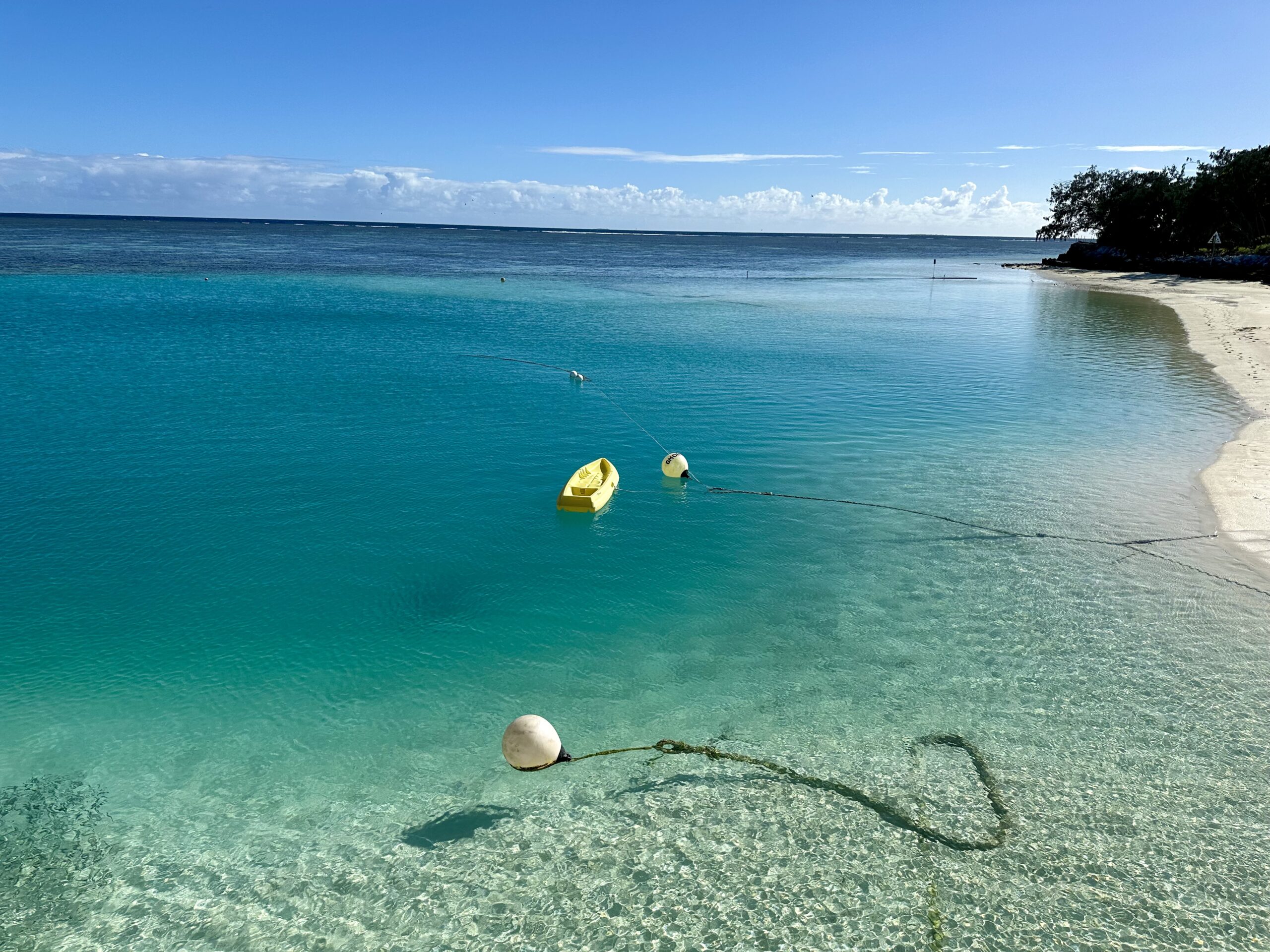
Heron Island really does feel like a little slice of paradise, with its powdery white sandy beaches and stunning turquoise water. The water is so incredibly clear that we could spot eagle rays and reef sharks swimming below us before we’d even stepped off the boat!
The island is small enough to explore on foot, and walking along its beautiful beaches is a lovely way to spend some time between snorkelling adventures.
Unlike many tropical islands, Heron Island has no coconut palms. Instead, much of its interior is covered by a forest of Pisonia trees, which provide an important habitat for thousands of nesting seabirds.
A walk through the forest during bird nesting season is particularly memorable, with birds calling and flying in every direction. It’s another reminder that Heron Island is just as special above the water as it is below!


5- Enjoy the Sunrise and Sunset
If there’s one thing I never miss when travelling, it’s a beautiful sunrise, and Heron Island certainly delivers!
During our first visit, getting up early became a daily ritual, watching the sky change colour and spotting turtles making their way back to the ocean after nesting.

On our second visit, we took things a step further and went snorkelling every morning at sunrise! It was one of the best times to explore the reef, with turtles, sharks and rays often active in the shallows. There’s something magical about starting your day surrounded by marine life before most people have even left their beds.
Sunsets are equally beautiful, especially around the island’s historic shipwreck, which makes a wonderful backdrop for photography.

During our first visit, we also enjoyed a sunset cruise with sparkling wine and a cheese platter as the sun disappeared over the ocean. A couple of turtles even popped their heads above the water to join us!
Whether you’re an early riser or prefer a sunset with a drink in hand, Heron Island is a beautiful place to enjoy both.

6. Go Scuba Diving or Join a Guided Snorkelling Trip
Heron Island is renowned for its incredible scuba diving, but if, like us, you prefer snorkelling, there are plenty of amazing underwater experiences to enjoy too!
We’ve joined guided snorkelling boat trips on both visits, and they’re definitely worth doing. While the snorkelling straight from the beach is spectacular, these trips take you further out to explore different sections of the reef, with beautiful coral gardens and abundant marine life.

On our second visit, we were lucky enough to spot what we believe was a manta ray, along with sharks, rays, turtles and countless colourful reef fish. The coral formations were beautiful too!
Our tip: Even if you’re a confident snorkeller, we’d recommend booking at least one boat trip during your stay. It’s a fantastic way to experience another side of Heron Island’s incredible underwater world.
Love snorkelling with turtles, rays and reef sharks? Another of our favourite places on the Southern Great Barrier Reef is Lady Elliot Island, famous for its incredible marine life and spectacular manta ray encounters. We’ve visited four times and still can’t get enough of it!

How to get to Heron Island?
Heron Island is located approximately 72 kilometres off the coast of Gladstone in Queensland’s Southern Great Barrier Reef. To reach the island, you’ll first need to make your way to Gladstone, either by car or by flying.
From Gladstone, there are two main transfer options:
By ferry: The Heron Islander departs Gladstone Marina at 9:30 am on most days, except Tuesdays and Thursdays. The journey takes approximately 2.5 hours and currently costs A$99 per adult each way. The return ferry leaves Heron Island at 12:45 pm.
By helicopter: For a faster and more scenic journey, helicopter transfers operate from Gladstone Airport, taking approximately 30 minutes. Prices currently start at around A$766 per person one way, including the fuel levy, with minimum passenger requirements.

During our first visit, we travelled to Heron Island by catamaran and returned by seaplane, which was available at the time. As someone who suffers terribly from seasickness, I certainly didn’t enjoy the boat journey! The seaplane, however, was spectacular, offering breathtaking aerial views of the Great Barrier Reef.
Unfortunately, seaplane transfers are no longer listed as an option, but helicopter transfers offer a similar opportunity to admire the reef from above.


Our tip: If you’re prone to seasickness, take precautions before boarding the ferry. Also, check the latest transfer schedules before booking your flights, as services are limited and can be affected by weather conditions.
For updated prices, schedules and bookings, visit the official Heron Island website.

Where to Stay on Heron Island
The only accommodation on the island is Heron Island Resort, which offers several room categories to suit different budgets. These range from the more affordable Turtle Rooms, nestled among the island’s trees, to the secluded Point Suites, which offer beautiful ocean views, particularly at sunset.
The resort also has a restaurant serving breakfast, lunch and dinner, a bar, swimming pool and spa facilities.
Our honest opinion? While the location is absolutely spectacular, the accommodation is showing its age. The rooms were already looking tired during our first visit, and we found them even more dated when we returned. Considering the prices, we also felt the food was fairly average and expensive.
However, Heron Island is all about the incredible natural surroundings rather than luxury. With limited connectivity and no televisions in the rooms, it’s a wonderful place to disconnect, slow down and enjoy the wildlife.
We’d happily return for the snorkelling alone, but it’s worth managing your expectations when it comes to the accommodation.
Check Heron Island Resort prices and availability on Agoda.

Best Time to Visit Heron Island
Heron Island is a fantastic destination year-round, but the best time to visit depends on what you’d most like to experience.
For snorkelling and diving, May to October generally offers excellent underwater visibility, cooler temperatures and less rainfall. You can encounter turtles, reef sharks, rays and colourful fish throughout the year.
For turtle lovers, November to March is nesting season, when green and loggerhead turtles come ashore to lay their eggs. From January to May, you may also witness tiny hatchlings making their way to the ocean. It’s an incredible experience!
Birdwatchers will particularly enjoy the warmer months, when thousands of seabirds gather on the island to breed.
We’ve visited Heron Island twice, once in November for my birthday and again in April for Simon’s 50th. Both visits offered incredible snorkelling and wildlife encounters. November was particularly special for seeing nesting turtles on the beaches, while April was fantastic for snorkelling, with turtles, sharks and rays everywhere.
Our recommendation: Visit between November and February if witnessing turtle nesting is your priority, or consider April to October for generally cooler, more comfortable conditions and excellent snorkelling opportunities.

How Many Days Do You Need on Heron Island?
We recommend spending at least three nights on Heron Island, although four nights is even better. This gives you plenty of time to enjoy the incredible snorkelling, join a guided reef trip, explore the island and relax without feeling rushed.
We spent four nights on our first visit and three nights on our second, when we combined Heron Island with neighbouring Wilson Island for Simon’s 50th birthday.
If your budget and time allow, combining Heron and Wilson Islands is a fantastic experience. We’d recommend three nights on each to enjoy the best of both worlds: Heron’s spectacular marine life and Wilson’s beautiful, secluded island atmosphere.

Practical Tips for Visiting Heron Island
Before heading to Heron Island, here are a few things we’d recommend packing and keeping in mind:
- Seasickness tablets: The ferry journey from Gladstone takes around 2.5 hours and can be rough. If you’re prone to seasickness like me, definitely come prepared!
- Reef shoes: Essential for walking across rocky beaches and shallow reef areas. Always avoid stepping on coral.
- Sun protection: Bring plenty of sunscreen, a hat and a rash vest. The Queensland sun is strong, especially when you’re spending hours in the water.
- Books: With limited Wi-Fi and mobile reception, Heron Island is the perfect place to switch off and catch up on some reading.
- Leave the fancy clothes at home: Heron Island is wonderfully casual. You’ll spend most of your time in swimwear, shorts and flip-flops, so there’s no need to dress up for dinner.
- Check the tides: Snorkelling conditions vary considerably with the tides. Ask the resort staff about the safest and best times to explore the reef.
- Pack an umbrella during bird nesting season: Not necessarily for the rain, but to protect yourself from the thousands of seabirds overhead. Trust us, we’ve been pooped on more than once!

Heron Island vs Wilson Island: Which Is Better?
We’ve visited Heron Island twice and neighbouring Wilson Island once, combining three nights on each island to celebrate Simon’s 50th birthday. Although they’re close together, they offer two very different experiences, and we absolutely loved both!
Heron Island wins hands down for snorkelling, with incredible coral gardens, turtles, sharks, rays and abundant marine life. However, the resort accommodation is rather tired, and the food is expensive and average.
Wilson Island, on the other hand, is all about seclusion and luxury. With just a handful of guests, beautiful glamping tents, delicious food and a wonderfully remote atmosphere, it’s the perfect place for a special occasion. The snorkelling is still lovely, with turtles, reef sharks and beautiful coral bommies, although not quite as spectacular as Heron.
Wilson Island is certainly pricey, but we both thought it was worth the splurge and would love to return!
Our recommendation? Visit both if you can! You’ll need to travel to Heron Island first, as transfers to Wilson Island depart from there. Combining the two gives you the best of both worlds: exceptional snorkelling followed by a peaceful, luxurious island escape. You can read more about Wilson island here.

FAQs About Heron Island
Can you snorkel directly from Heron Island’s beaches?
Absolutely! Heron Island offers some of the best beach-accessible snorkelling on the Great Barrier Reef. You can encounter turtles, reef sharks, rays and colourful fish just metres from shore. However, snorkelling conditions are tide-dependent, so always check with the resort before heading out.
Are there sharks around Heron Island?
Yes, and seeing them is one of the highlights! Reef sharks and lemon sharks are commonly spotted around the island, particularly near the jetty. They’re generally not aggressive towards humans, but always keep a respectful distance.
Can you visit Heron Island without staying overnight?
Heron Island is primarily an overnight destination, and regular day trips from Gladstone aren’t generally available. Staying at least three nights is the best way to experience the island properly.
Is Heron Island suitable for non-divers?
Definitely! We’ve visited twice without scuba diving and had incredible experiences. Between the fantastic snorkelling, wildlife encounters, beach walks and beautiful sunrises and sunsets, there’s plenty to enjoy without ever putting on a scuba tank!
Planning more Great Barrier Reef adventures? Head further north and explore tropical rainforests, beautiful beaches and spectacular reef destinations with our Tropical North Queensland road trip itinerary.
.
Read More
What to Pack For Your Next Snorkelling Adventure
Lord Howe Island, Australia’s Best Kept Secret


[…] 5 Reasons You Should Visit Heron Island […]
[…] visited outside of birds nesting season, so the bird life was less intense than when we were at Heron island two years back. But there were still plenty of birds on the island during our stay, in particular, […]
[…] Heron Island is situated on the Southern part of the Great Barrier Reef in Queensland, Australia. Even though this coral cay is rather small, we enjoyed our three days there. The best part, we could snorkel right off the beach and see plenty of sea life without going on a two hour boat ride. Our favourite thing to do of course was to check out the turtles. Heron Island has a large turtle population, with two turtle species calling it home, the Green Turtle and Loggerhead Turtle. […]