


This year, I decided to celebrate my 47th birthday somewhere that offered everything I love: wildlife, adventure, spectacular scenery and plenty of opportunities to explore the great outdoors. Kakadu National Park seemed like the perfect choice.
It wasn’t my first visit to Kakadu. I’d actually been there when I was 23, during my backpacking trip around Australia. Back then, I’d only visited on a day tour from Darwin and, surprisingly, I hadn’t been particularly impressed. But a lot changes in 24 years, and getting older isn’t necessarily a bad thing! For starters, I barely noticed birds back then, whereas these days I’m slightly obsessed with photographing them. Getting that perfect bird shot is another story, especially when your photography equipment doesn’t always cooperate!
I’ve also developed a much greater appreciation for nature, wildlife and the outdoors. So I had a feeling my second visit to Kakadu would be a completely different experience. And I was right!
Kakadu is Australia’s second-largest national park and a UNESCO World Heritage Site, famous for its extraordinary biodiversity, ancient Aboriginal rock art, dramatic landscapes and abundant wildlife. With around a third of Australia’s bird species recorded here, it’s also a paradise for bird lovers like me.

The only catch? We were visiting in early November, at the beginning of the wet season, when the heat can be intense and some attractions are inaccessible. But being the stubborn person I am, I wasn’t going to let that stop me!
And I’m so glad I didn’t. We had incredible wildlife encounters, explored breathtaking landscapes and often had places almost entirely to ourselves.
We loved Kakadu so much that I already want to return. After all, the attractions we missed are just another excuse to go back!
- 1- Take a Yellow Water Cruise
- 2- Explore Ubirr Rock Art and Lookout
- 3- Discover Burrungkuy (Nourlangie) Rock Art
- 4- Enjoy the Views from Nawurlandja Lookout
- 5- Watch the Crocodiles at Cahills Crossing
- 6- Take a Scenic Flight Over Kakadu National Park
- 7- Spot Birdlife at Mamukala Wetlands
- 8- Stop at Bowali Visitor Centre
- 9- Visit Warradjan Aboriginal Cultural Centre
- Other Places to Visit in Kakadu National Park
- Suggested 3-Day Kakadu Itinerary
- Where to Stay in Kakadu National Park: Jabiru or Cooinda?
- Best Time to Visit Kakadu National Park
- Practical Tips for Visiting Kakadu National Park
- Final Thoughts: Is Kakadu Worth Visiting in November?
- Frequently Asked Questions About Kakadu
Kakadu National Park is approximately three hours’ drive from Darwin to Jabiru, making it an ideal destination for a multi-day road trip.
Here are my favourite things to do in Kakadu National Park, along with practical tips to help you plan your own visit.

1- Take a Yellow Water Cruise
If there’s one experience you absolutely shouldn’t miss in Kakadu National Park, it’s a Yellow Water cruise. Cruises depart several times a day, including at sunrise and sunset, and if you’re staying overnight in Kakadu, I’d highly recommend choosing one of these two times.
In fact, I’d go as far as suggesting you do both, just like we did! We joined the sunset cruise and returned the following morning for sunrise, and each offered a completely different experience.

The sunset cruise was all about the crocodiles. They were incredibly active, with many resting along the riverbanks, giving us fantastic opportunities to photograph them out of the water. Watching the sun set over the wetlands as we cruised along was simply magical.
Sunrise, on the other hand, was a bird lover’s paradise. There were still plenty of crocodiles around, mostly lurking in the water with just their eyes and snouts visible. But it was the birdlife that really stole the show. We spotted an incredible variety of species, including three different types of kingfishers, which had me ridiculously excited! Getting the perfect photo was another story, although I did finally manage to capture an azure kingfisher!


Each cruise lasts approximately two hours. As we visited in November, outside the peak tourist season, neither boat was full, meaning we could move around freely to get the best views and photographs, regardless of which side we were sitting on.

My recommendation? If you can only do one, choose sunset for crocodile photography and spectacular golden light, or sunrise if you’re particularly interested in birds. But if you have the time and budget, doing both is absolutely worth it!

I’d recommend booking your Yellow Water cruise in advance, particularly during the busy dry season when popular departure times can sell out.

2- Explore Ubirr Rock Art and Lookout
Ubirr is one of Kakadu National Park’s most famous attractions, known for its ancient Aboriginal rock art and spectacular views over the surrounding floodplains.
The walk takes you past several fascinating rock art sites before a short climb to the lookout. It’s a relatively easy walk, although the intense November heat made it feel a little more challenging than it should have been!

For me, the highlight was the lookout. The panoramic views over the vast floodplains and surrounding wilderness were absolutely breathtaking. Visiting in November meant everything was beautifully green, making the scenery even more spectacular.
Sunset is considered one of the best times to visit Ubirr, when the golden light transforms the landscape. However, keep in mind that it’s approximately a 30-minute drive back to Jabiru and considerably further if you’re staying in Cooinda.


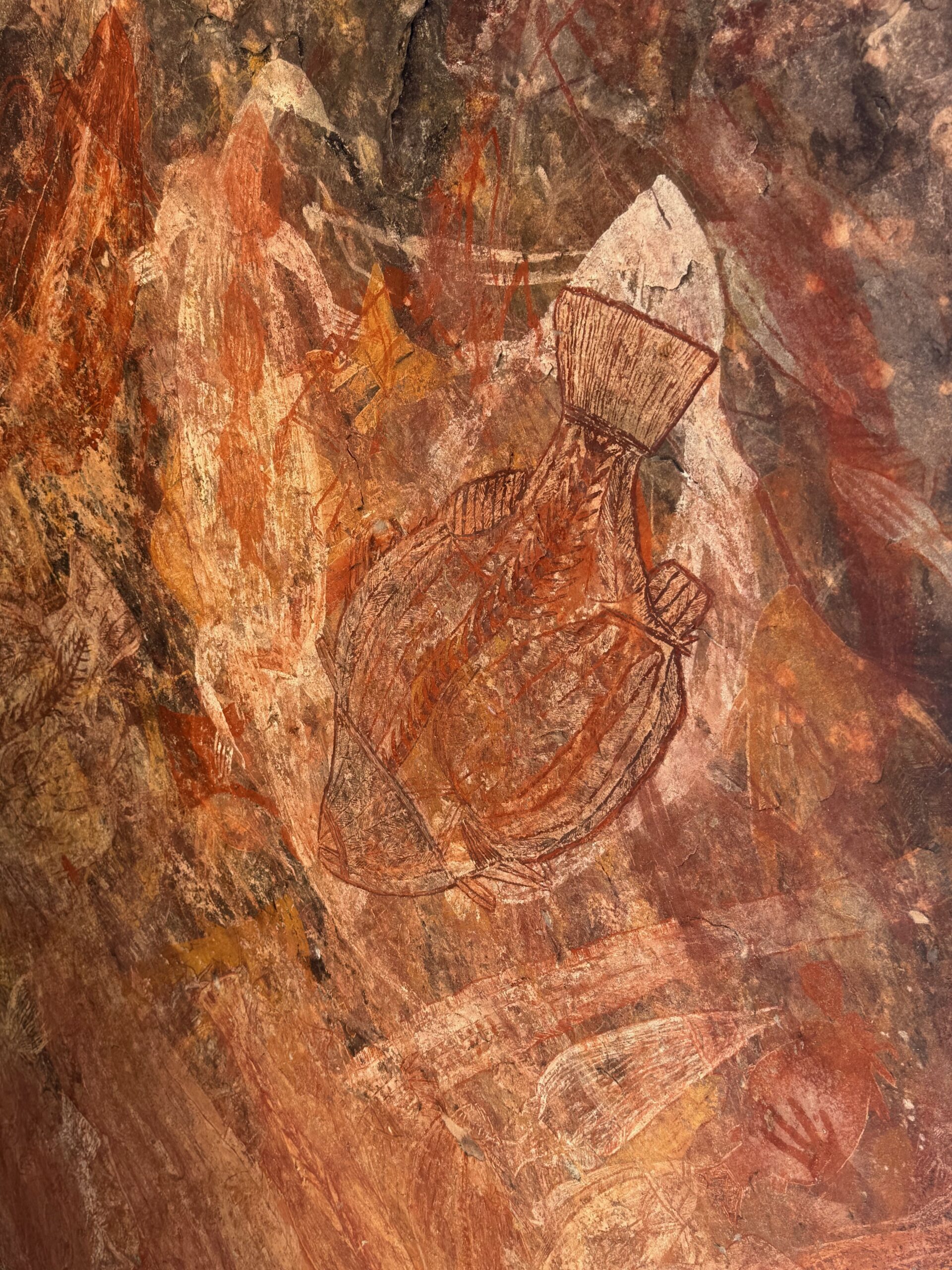
We actually left a little before sunset because our rental car insurance didn’t cover driving after dark. With wildlife frequently crossing the roads, particularly kangaroos and wallabies, we weren’t willing to take the risk.
Even without staying for sunset, Ubirr was one of the highlights of our time in Kakadu and absolutely worth visiting!

3- Discover Burrungkuy (Nourlangie) Rock Art
Burrungkuy (Nourlangie) is another fantastic place to admire Kakadu’s ancient Aboriginal rock art, and I actually preferred the artwork here to what we saw at Ubirr.
The walk is relatively easy, taking you past several impressive rock art galleries sheltered beneath towering rock formations. However, just like at Ubirr, the intense November heat made even this short walk feel a little more challenging!
The artwork is fascinating, with beautifully preserved paintings offering a glimpse into the rich culture and traditions of the area’s Aboriginal people.

Photography is permitted at most of the rock art sites, although one gallery is strictly off-limits to cameras, so be sure to respect the signs.
There’s also a short climb to a viewpoint along the trail, offering beautiful views of the surrounding landscape. It’s well worth the extra effort, even in the heat!
If you’re interested in Aboriginal culture and rock art, Burrungkuy is definitely one of the best things to do in Kakadu National Park.

4- Enjoy the Views from Nawurlandja Lookout
Just a short drive from Burrungkuy (Nourlangie), Nawurlandja Lookout was my absolute favourite viewpoint in Kakadu National Park.
The walk is only 300 metres each way, but even at 7:30 am in November, the intense heat and humidity made it feel much longer!
Thankfully, the effort was worth it. The panoramic views across Anbangbang Billabong, Burrungkuy Rock and the Arnhem Land escarpment were absolutely breathtaking, with lush green landscapes stretching as far as the eye could see.

I would have loved to visit at sunrise, but unfortunately, the gates didn’t open early enough. What a shame, as the morning light would have been spectacular!
We also took a short walk towards nearby Anbangbang Billabong, where plenty of birds had gathered, making it another lovely stop for wildlife enthusiasts.
My tip: Don’t underestimate the short climb in the heat. Bring water, wear comfortable shoes and visit as early as possible.
5- Watch the Crocodiles at Cahills Crossing
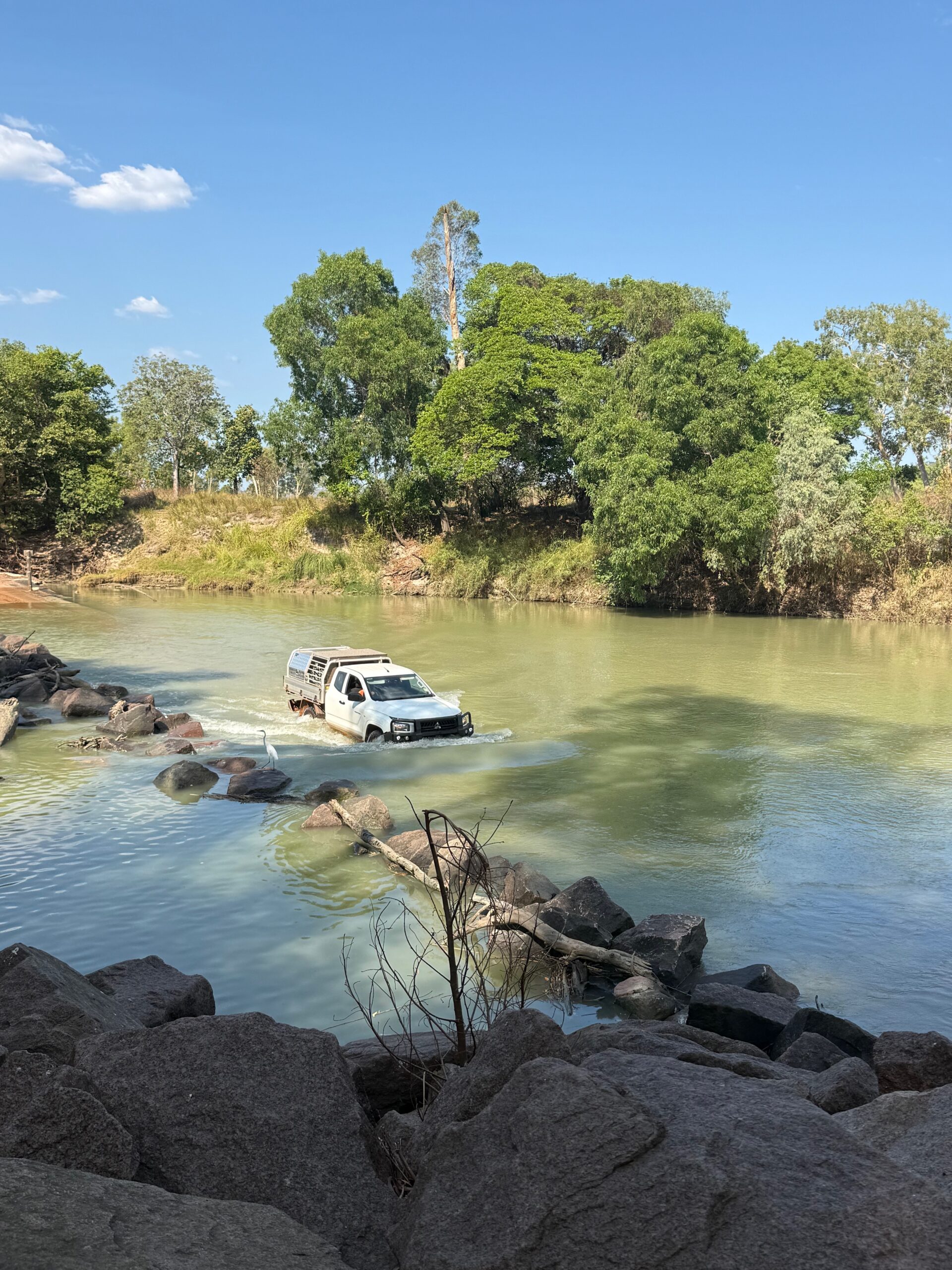
Cahills Crossing was one of our favourite experiences in Kakadu National Park! Located near Ubirr, it’s easy to combine both attractions in one visit.
The crossing connects Kakadu with Arnhem Land, but we weren’t there to cross the river. We were there for the crocodiles!
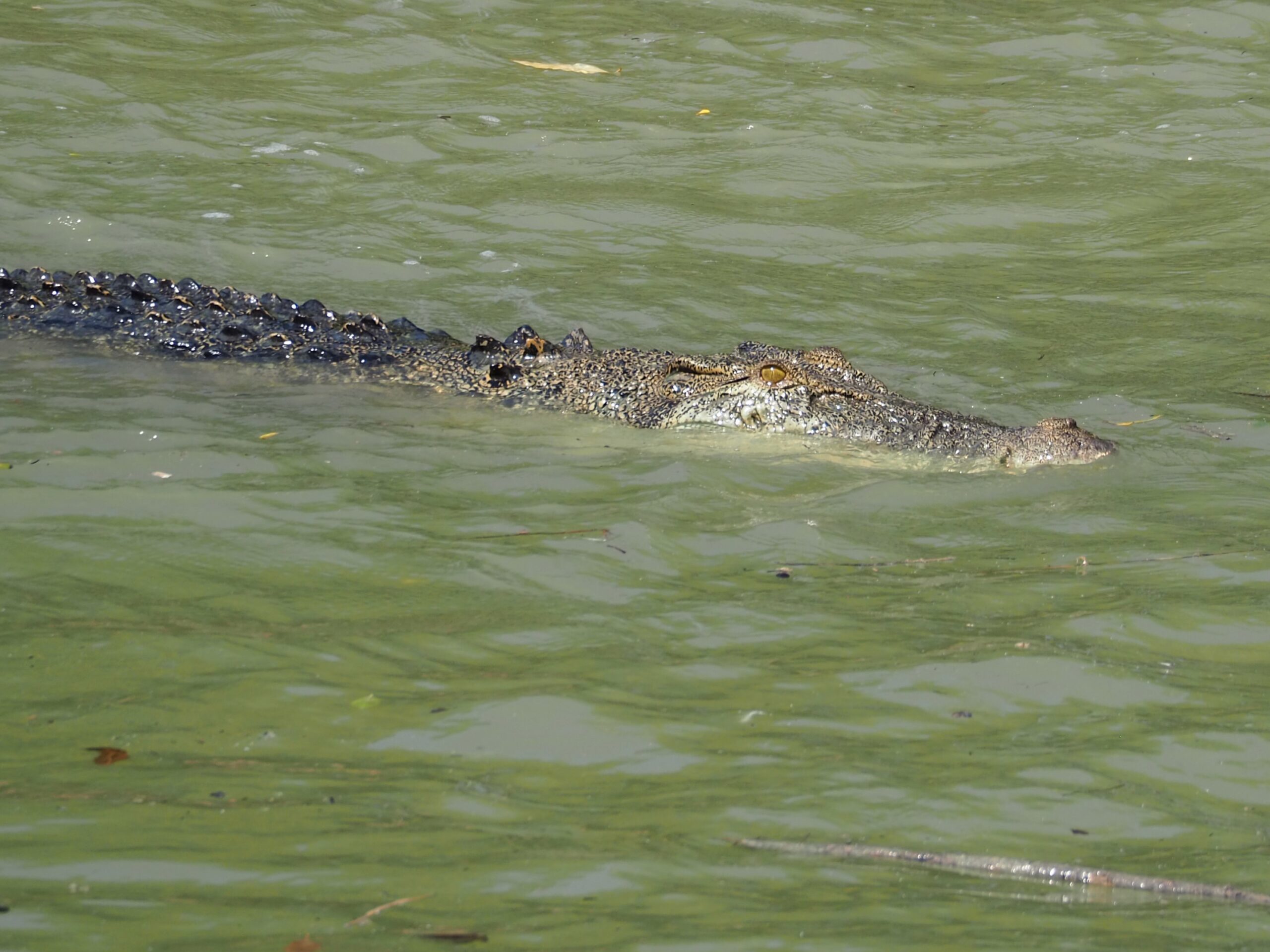
The best time to visit is around high tide, when crocodiles often gather to catch fish being pushed across the causeway. We arrived about 40 minutes beforehand and spotted plenty of crocodiles, although sadly, none catching fish.
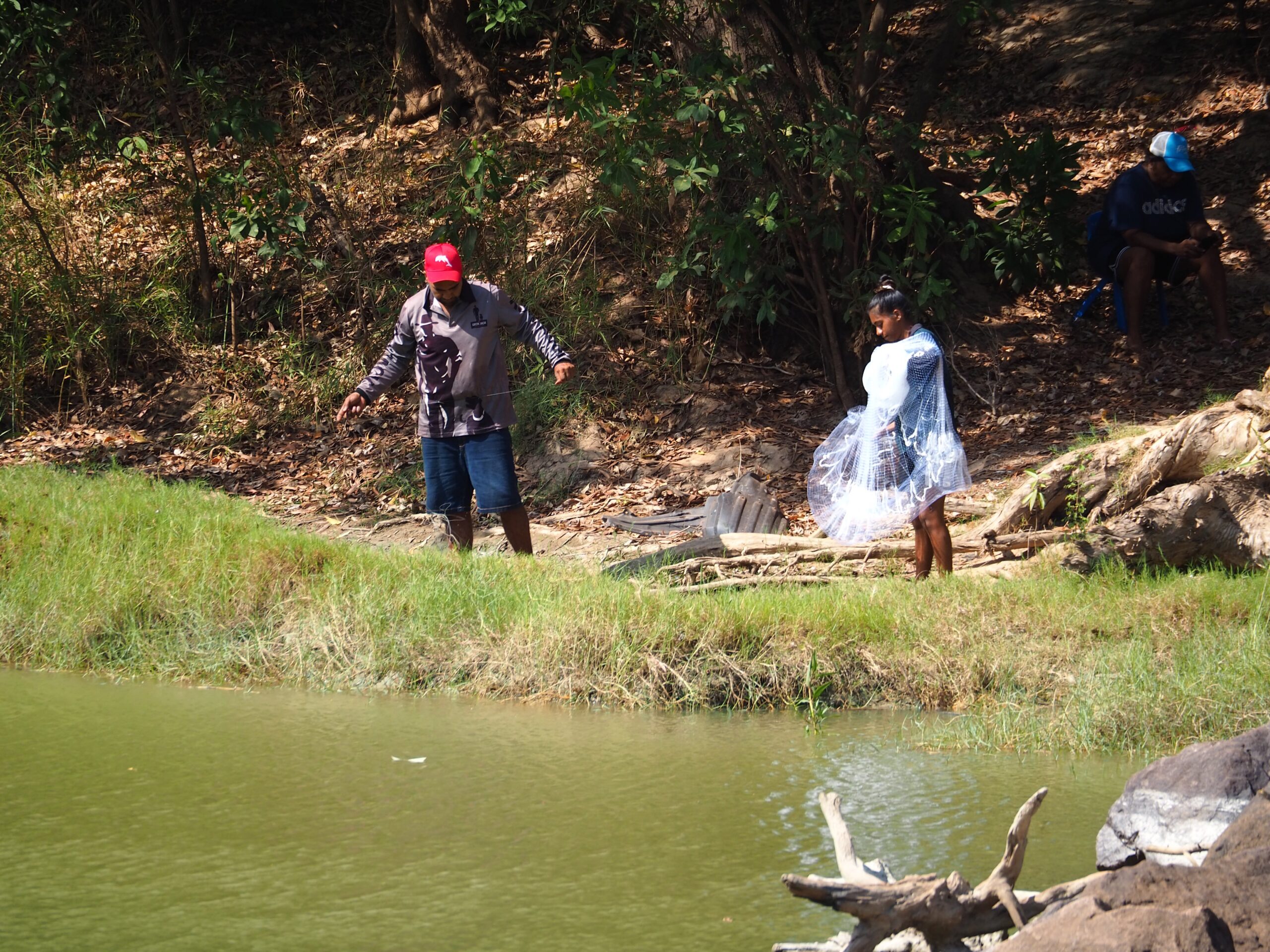
What fascinated me most was how casually some locals behaved around them. We even watched a woman shoo a crocodile off the riverbank so she could fish! It slipped into the water, and she carried on as though nothing had happened. I couldn’t help wondering where that crocodile was now lurking!
Watching enormous road trains negotiate the flooded crossing was equally fascinating. Despite the 40°C heat, we were grateful for some shade and a welcome breeze at the viewing platforms.


My tips for visiting Cahills Crossing:
- Check the tides: Arrive at least 30 minutes before high tide for your best chance of seeing crocodile activity. Check the Cahills Crossing tide times.
- Check access: Flooding can close roads during the wet season. Consult the official Kakadu access report.
- Be Crocwise: Stay on designated viewing platforms and well away from the water’s edge, regardless of what you see others doing!
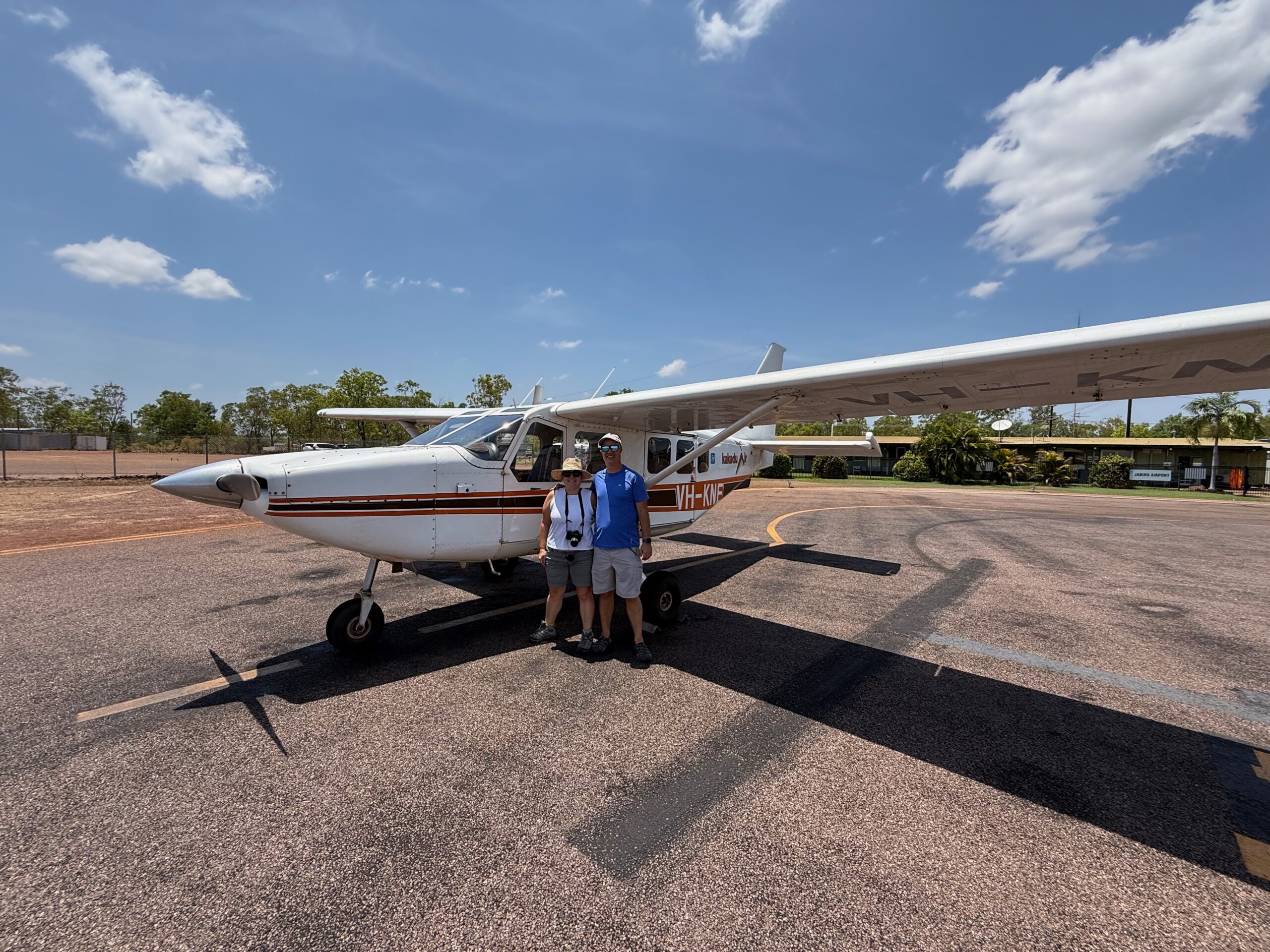
6- Take a Scenic Flight Over Kakadu National Park
If your budget allows, a scenic flight over Kakadu National Park is an experience I highly recommend. Seeing this vast wilderness from above is simply breathtaking!
We opted for a 30-minute fixed-wing flight with Kakadu Air from Jabiru, which was more affordable than a helicopter tour.


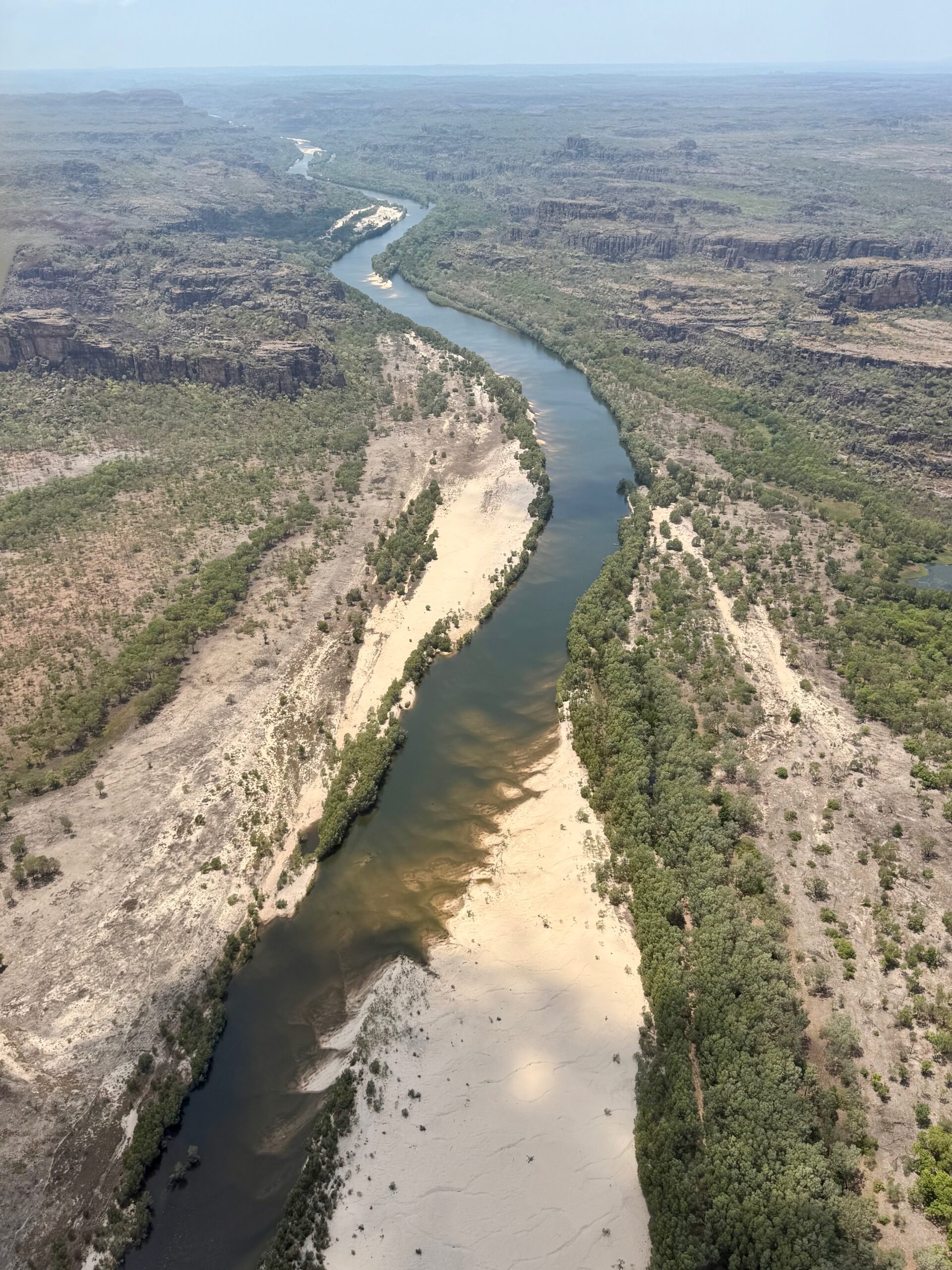
The views were incredible, from dramatic sandstone escarpments and the winding East Alligator River to endless wetlands and untouched wilderness. We even spotted a wild brumby!
Unfortunately, I forgot my travel sickness tablet and spent about 25 of those 30 minutes feeling rather queasy! But the scenery was so spectacular that I couldn’t stop taking photos, despite feeling awful!


Kakadu Air offers 30-minute and 60-minute flights, with longer wet-season routes offering views of Jim Jim Falls and Twin Falls when they’re flowing. Sadly, we visited too early in the season to see them.
My tip: Don’t forget your motion sickness tablets like I did! And if your budget allows, consider the longer flight to see even more of Kakadu’s spectacular landscapes.
7- Spot Birdlife at Mamukala Wetlands
Mamukala Wetlands was our first stop in Kakadu National Park as we drove from Darwin towards Jabiru. Despite leaving Darwin ridiculously early, we didn’t arrive until around 8:45 am, which was apparently a little late for the best early-morning bird activity.
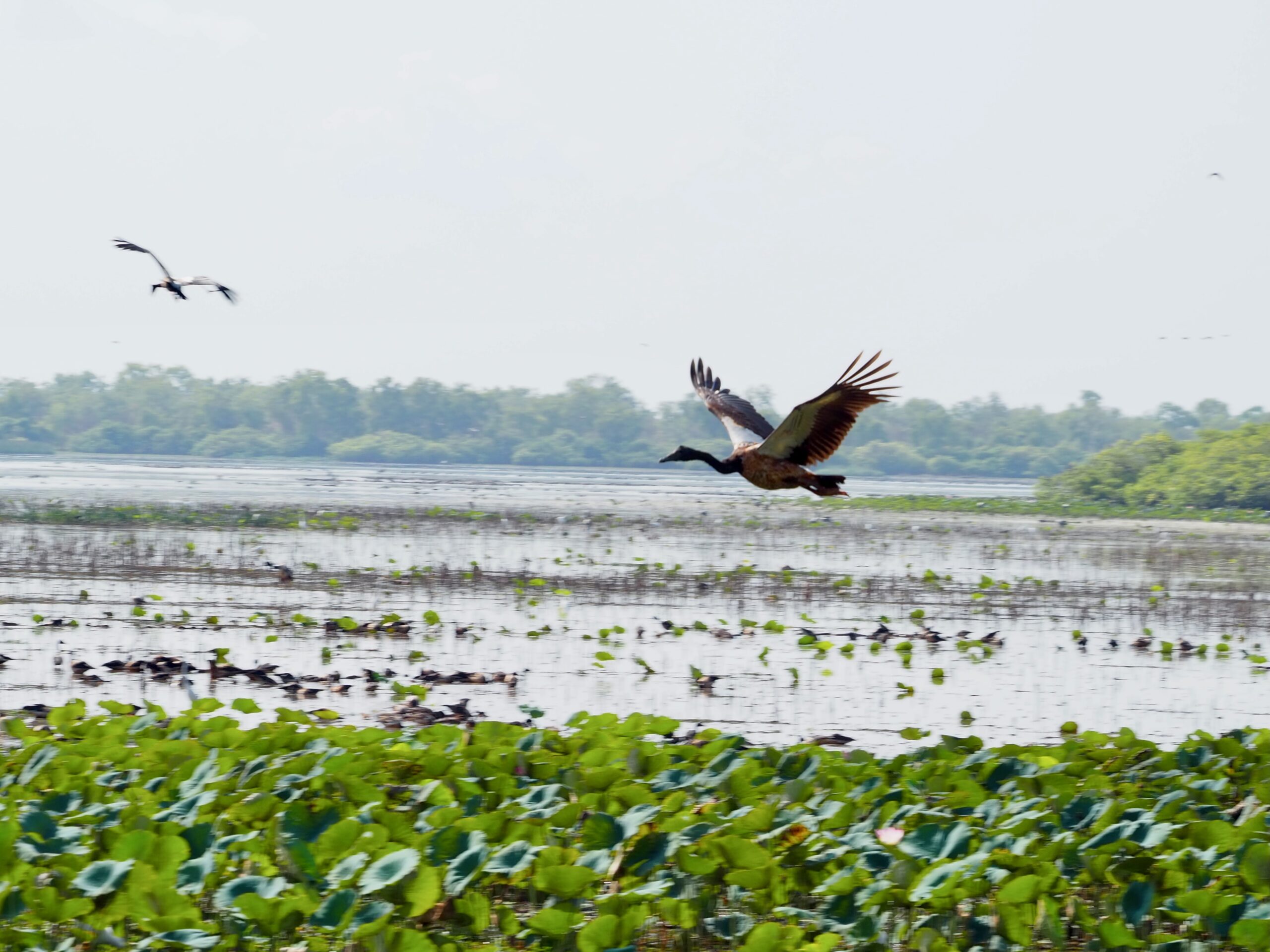
Nevertheless, it was absolutely incredible! Hundreds of birds were gathered around the wetlands, and as we approached, clearly not quietly enough, an enormous flock suddenly took flight. It was quite a spectacle, although unfortunately, I hadn’t been camera-ready to capture it!
We spotted our first jabirus (black-necked storks) in the distance, along with countless other bird species enjoying the wetlands.

The viewing platform offers fantastic opportunities to observe the wildlife without disturbing it, and it’s an easy stop to include when travelling between Darwin and Jabiru.
My tip: If you love birdwatching or wildlife photography, Mamukala Wetlands is a must-visit in Kakadu. Try to arrive early in the morning, bring binoculars or a zoom lens, and have your camera ready before approaching the viewing platform. Unlike me! 😂
8- Stop at Bowali Visitor Centre
Before exploring Kakadu National Park, it’s worth stopping at the Bowali Visitor Centre, just outside Jabiru.
It’s a great place to pick up maps, refill your water bottles with fresh drinking water and speak to the friendly staff about current road conditions, walking trails and attraction closures. You can also ask about the best tide times for visiting Cahills Crossing to increase your chances of spotting crocodiles.
We stopped here to get some advice and check which attractions were accessible during our November visit.
My tip: Make Bowali one of your first stops in Kakadu, especially if you’re visiting during the wet season. A quick chat with the staff can save you a wasted journey!
9- Visit Warradjan Aboriginal Cultural Centre
Located near Cooinda, the Warradjan Aboriginal Cultural Centre is a worthwhile stop to learn more about the Aboriginal culture, traditions and history of Kakadu National Park.
The centre features informative displays exploring the lives, beliefs and connection to Country of Kakadu’s Traditional Owners. It’s a fascinating place to gain a deeper understanding of the cultural significance of the landscapes and rock art you’ll encounter throughout the park.
There’s also a small gift shop selling souvenirs, including locally made Aboriginal arts and crafts.

Other Places to Visit in Kakadu National Park
Although we managed to explore some incredible places during our three nights in Kakadu, there were a few famous attractions we sadly missed.
Some were closed during our November visit, while others required driving on rough 4WD tracks that we weren’t comfortable tackling in our rental vehicle.
However, these five attractions are definitely worth considering when planning your Kakadu itinerary, provided they’re accessible during your visit.

10- Jim Jim Falls
Jim Jim Falls is one of Kakadu’s most spectacular waterfalls, plunging approximately 200 metres down towering sandstone cliffs.
It’s particularly impressive during the wet season, although flooding often prevents road access. During the dry season, visitors can usually hike to the base of the falls.
Unfortunately, Jim Jim Falls was closed throughout 2026 for road and infrastructure upgrades, so we missed out. Access normally requires a high-clearance 4WD.

11- Twin Falls
Twin Falls features two spectacular cascades dropping approximately 150 metres into a dramatic sandstone gorge.
Access has traditionally required a 4WD journey, followed by boat travel and walking. However, visitor facilities and access arrangements are being upgraded.
Like Jim Jim Falls, Twin Falls was closed during our November 2026 visit.

12- Gunlom Falls
Gunlom Falls is famous for its beautiful natural rock pools and breathtaking views across southern Kakadu.
Although accessible during our visit, reaching Gunlom required a high-clearance 4WD, and we weren’t keen to tackle the rough road in our rental vehicle. The lower plunge pool was also closed.
Definitely one for a future visit!

Tourism & Events NT/Kyle Hunter & Hayley Anderson
13- Maguk (Barramundi Gorge)
Maguk is another beautiful waterfall surrounded by rugged sandstone cliffs and monsoon forest. A walking trail leads to a picturesque natural plunge pool.
Unfortunately, Maguk was closed for crocodile management during our visit, so we couldn’t explore it.
Access generally requires a 4WD, and swimming is only permitted when officially declared safe.

Tourism & Events NT/Daniel Tran
14- Motor Car Falls
Motor Car Falls is a beautiful waterfall tucked away in southern Kakadu National Park, reached via a scenic walk through the Yurmikmik area. The approximately 7.5 km return hike passes through woodland and rocky landscapes before reaching a picturesque waterfall and plunge pool.
It’s particularly impressive during the wet season, although access depends on weather and track conditions.
Important: Waterfall access changes throughout the year due to flooding, road conditions and crocodile management. Always check the official Kakadu access report before visiting.

Suggested 3-Day Kakadu Itinerary
If you have three days to explore Kakadu National Park, I’d recommend splitting your stay between Jabiru and Cooinda to minimise driving.
Here’s a quick overview of how we organised our visit:
- Day 1 – Northern Kakadu: Drive from Darwin to Jabiru, exploring the wetlands, crocodile viewing areas and Ubirr rock art.
- Day 2 – Central Kakadu: Discover spectacular lookouts and Aboriginal rock art, enjoy a scenic flight and finish with a sunset Yellow Water cruise.
- Day 3 – Cooinda: Start with a sunrise wildlife cruise, visit the cultural centre and enjoy some time exploring or relaxing.
My tip: Book your scenic flight before your final day to allow some flexibility if bad weather causes cancellations.
“If you’re starting your adventure in Darwin, don’t miss my guide to the best things to do in Darwin before heading into Kakadu.”
Where to Stay in Kakadu National Park: Jabiru or Cooinda?
There are two main areas to stay in Kakadu National Park: Jabiru and Cooinda. Both make excellent bases, but choosing where to stay depends on which attractions you want to visit.
Jabiru is the park’s main township and is conveniently located for exploring northern Kakadu, including Ubirr, Cahills Crossing and Mamukala Wetlands. It has a supermarket, petrol station and a few accommodation and dining options.
Cooinda, approximately 45 minutes south of Jabiru, is a small resort area surrounded by nature. It’s particularly convenient for the famous Yellow Water cruises and for exploring central and southern Kakadu, including the seasonal attractions around Jim Jim Falls.
We decided to spend one night in Jabiru and two nights in Cooinda, which worked perfectly for our three-night Kakadu itinerary. It meant less driving between attractions and gave us the chance to experience both locations.

Mercure Kakadu Crocodile Hotel, Jabiru
We spent our first night at the Mercure Kakadu Crocodile Hotel, famous for its unusual crocodile-shaped design.
The hotel was perfectly fine for a short stay, although don’t expect luxury. Our room was clean, the bed was very comfortable, and we had everything we needed after a long day exploring Kakadu.
However, the real surprise was the restaurant. We had an absolutely fantastic dinner here, which turned out to be the best meal of our entire Northern Territory trip! We certainly weren’t expecting that!
For exploring the northern attractions of Kakadu, the Crocodile Hotel is a convenient and comfortable choice.
Click here to book your stay at the Mercure Kakadu Crocodile Hotel.

Cooinda Lodge and Outback Retreat
We absolutely loved Cooinda Lodge! We stayed for two nights in one of their Outback Retreat glamping tents, surrounded by nature, and it was easily our favourite accommodation in Kakadu.
The tents offered a lovely balance of comfort and outdoor living, allowing us to enjoy the peaceful bush setting without sacrificing the essentials.
The resort is surrounded by beautiful natural scenery, and we could even walk down towards the river and watch crocodiles swimming from a safe distance.
The swimming pools were an absolute lifesaver during the intense November heat. After spending hours exploring Kakadu in temperatures approaching 40°C, being able to cool off was wonderful!

Another big advantage is the location. Yellow Water cruises depart just a short drive away, and the resort organised transfers for guests, making our sunset and sunrise cruises incredibly convenient.
Cooinda also has a restaurant, bar, small shop and fuel facilities, so although it’s fairly isolated, everything you need for a short stay is available.
I would happily have stayed another night. In fact, I really didn’t want to leave!
Click here to book your stay at Cooinda Lodge.
My recommendation: If you have three nights in Kakadu, consider splitting your stay between Jabiru and Cooinda as we did. However, if you prefer to stay in one place, I’d personally choose Cooinda for its peaceful surroundings, wildlife and easy access to Yellow Water.

Best Time to Visit Kakadu National Park
Kakadu has two main seasons: the dry season (May to October) and the wet season (November to April), each offering a completely different experience.
The dry season is generally considered the best time to visit Kakadu, with more comfortable temperatures, less rain and better access to walking trails, waterfalls and other attractions. However, it’s also the busiest time of year.
The wet season brings lush green landscapes, dramatic thunderstorms, spectacular waterfalls and far fewer tourists. The downside is the intense heat, humidity and seasonal closures caused by flooding.
We visited in early November, during the build-up to the wet season, and absolutely loved it! Yes, temperatures reached 40°C, and we couldn’t access every attraction, but the beautiful green scenery, abundant wildlife and lack of crowds more than made up for it.
My recommendation: Visit during the dry season if you want to explore as much of Kakadu as possible. But if you don’t mind the heat and are happy to be flexible, the wet season can be a fantastic time to visit!

Practical Tips for Visiting Kakadu National Park
Before heading to Kakadu, here are a few useful tips to help you plan your visit.
- Park passes: You’ll need a Kakadu National Park pass, which is valid for seven days. Prices vary depending on the season, and you can purchase yours online through the official Kakadu website.
- Driving: Kakadu is enormous, so allow plenty of time between attractions. Many popular sites are accessible by 2WD, but some waterfalls and remote areas require a high-clearance 4WD. Always check your rental car restrictions, particularly for unsealed roads and driving after dark.
- Road conditions: During the wet season, flooding can close roads and attractions. Check the Kakadu access report before setting off each day.
- Beat the heat: Temperatures can exceed 40°C during the hotter months. Start your walks early, carry plenty of drinking water and avoid hiking during the hottest part of the day.
- Be Crocwise: Crocodiles inhabit many of Kakadu’s waterways, even when you can’t see them. Stay away from the water’s edge, obey warning signs and only swim where officially permitted.
- What to pack: Bring lightweight clothing, comfortable walking shoes, sunscreen, a hat, insect repellent and plenty of water. Binoculars and a zoom lens are also highly recommended for wildlife enthusiasts.
- Mobile reception: Coverage is limited throughout the park, so download offline maps before leaving Darwin and let someone know your plans if heading into remote areas.
My tip: Don’t underestimate the heat or driving distances. Kakadu is best enjoyed at a relaxed pace, with plenty of time to appreciate the incredible wildlife and scenery.

Final Thoughts: Is Kakadu Worth Visiting in November?
Absolutely! Yes, it was incredibly hot, and we couldn’t see everything, but we loved how peaceful Kakadu was in November. Most attractions were wonderfully quiet, which, for someone like me who hates crowds, was almost perfect!
We missed a few places, but that’s just another excuse to return!
As we learned from our Yellow Water cruise guides, Kakadu changes dramatically throughout the year, with each season offering something special.
I’d love to return at a different time to experience another side of this incredible national park. Although, knowing me, I’ll probably still avoid the peak tourist season!
One thing is certain: Kakadu was even better the second time around, and I can’t wait to return!

Frequently Asked Questions About Kakadu
How many days do you need in Kakadu National Park?
I’d recommend at least three days to explore Kakadu’s main attractions without rushing. We spent three nights, splitting our stay between Jabiru and Cooinda, and still had plenty left to see.
Do you need a 4WD to visit Kakadu?
No, many of Kakadu’s popular attractions, including Ubirr, Burrungkuy, Yellow Water and Mamukala Wetlands, are accessible by 2WD when roads are open. However, some remote waterfalls and walking trails require a high-clearance 4WD.
Is Kakadu worth visiting during the wet season?
Absolutely! We visited in November and loved the lush landscapes, abundant wildlife and peaceful atmosphere. However, expect intense heat, humidity and possible road closures, so flexibility is essential.
Read More:
10 Best Things to Do in Darwin, Australia + Day Trips


Leave a reply